
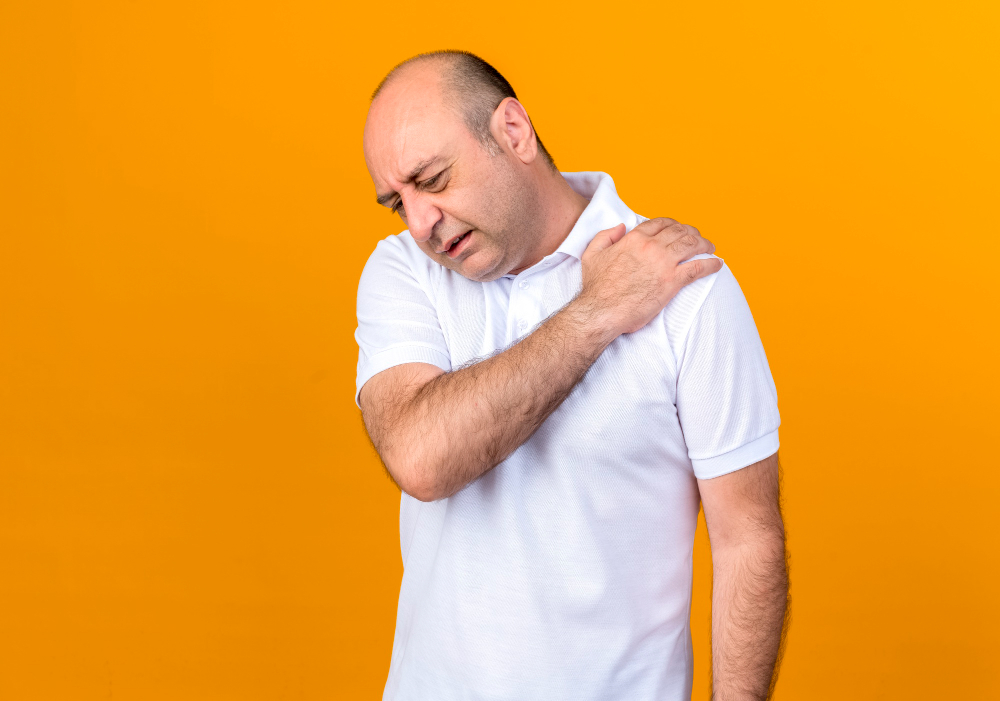
What Is a Clavicle Fracture?
A clavicle fracture, also called a broken collarbone, happens when the bone between your shoulder and chest breaks. This bone helps connect your arm to your body. Because it is close to the skin, it can break easily. Many people get this injury from falls, sports, or accidents. If you think you have a clavicle fracture, you should seek medical help right away.
Common Symptoms of a Clavicle Fracture
Often, a clavicle fracture causes pain and swelling near the collarbone. You may notice other signs as well. For example, you might see:
Sometimes, you may also feel numbness or tingling in your arm. This can happen if nerves are affected. However, not everyone has all these symptoms.
Causes and Risk Factors
Clavicle fractures can happen to anyone. However, some situations make them more likely. For instance, common causes include:
Children and teenagers break their collarbones more often because their bones are still growing. Older adults may also be at risk due to weaker bones. Wearing seat belts and using safety gear can help lower your risk.
How Clavicle Fractures Are Diagnosed
First, your doctor will ask about your injury and symptoms. Next, they will examine your shoulder and collarbone. Often, they will order an X-ray to see where and how badly the bone is broken. Sometimes, a CT scan may be needed for a closer look. These tests help doctors choose the best clavicle fracture treatment for you.
Treatment Options for Clavicle Fracture
Treatment depends on how severe the break is. Most clavicle fractures heal without surgery. Your doctor may suggest:
However, some breaks are more serious. For example, if the bone is out of place or has broken through the skin, surgery may be needed. In surgery, doctors use plates, screws, or pins to hold the bone together. This helps the bone heal in the right position. According to the American Academy of Orthopaedic Surgeons, most people recover well with proper care.
Recovery Tips and Prevention
Healing from a clavicle fracture takes time. Most people start to feel better in a few weeks. However, full healing can take up to three months. To help your recovery, you can:
To prevent future injuries, always use safety gear during sports. In addition, make your home safe to avoid falls. For example, keep floors clear and use handrails on stairs.
When to See a Doctor
If you think you have a broken collarbone, see a doctor right away. You should also get help if you notice:
Early treatment can help you heal faster and avoid problems.
Frequently Asked Questions
Conclusion and Next Steps
In summary, a clavicle fracture is a common injury that can cause pain and swelling. With the right treatment, most people recover fully. However, it is important to follow your doctor’s advice and take steps to prevent future injuries. If you suspect a broken collarbone, do not wait. Consult an orthopedic specialist for personalized advice on clavicle fracture care.